Catastrophic Hunger Crisis Engulf Nigeria as Food Aid Funding Dries Up – UN Warns
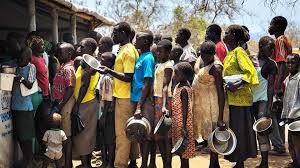
The United Nations World Food Program has issued an urgent warning that more than one million people in northeastern Nigeria may soon lose access to emergency food and nutrition assistance, as funding for humanitarian operations approaches exhaustion within weeks.
In a statement released on Thursday, the agency confirmed it would drastically reduce its aid coverage, limiting support to about 72,000 people in February, down from 1.3 million beneficiaries assisted during the last lean season between May and October.
The alert comes as hunger levels rise sharply across Nigeria, compounded by insecurity, mass displacement and shrinking international assistance. According to WFP projections, up to 35 million Nigerians could face severe hunger in 2026, the highest figure recorded since the agency began systematic data collection in the country.
WFP has operated in northeastern Nigeria since 2015, providing food support to nearly two million people annually in communities affected by conflict and displacement.
“Despite generous contributions that sustained life-saving aid in recent months, those limited resources have now been exhausted,” the agency said.
David Stevenson, WFP’s Nigeria Country Director, warned that the consequences could extend beyond humanitarian suffering into wider security and economic instability.
“This will lead to catastrophic humanitarian, security and economic consequences for the most vulnerable people who have been forced to flee their homes in search of food and shelter,” he said.
The deepening food crisis is unfolding alongside escalating violence’s across several northern states. Renewed attack’s by armed groups have displaced an estimated 3.5 million people, destroyed food reserves and driven malnutrition to critical levels in multiple communities.
Officials say fear of banditry and terror-related operations has discouraged farmers from returning to their fields, shrinking agricultural output and worsening dependence on aid.
Last week, gunmen k!dn@pped more than 150 worshippers in coordinated raids on three churches in northwest Nigeria, underscoring the fragile security environment and the growing strain on already vulnerable populations.
The humanitarian shortfall has also been linked to a sharp reduction in global assistance following major funding cuts to the United States Agency for International Development under the administration of U.S. President Donald Trump. Nigeria is among several West and Central African countries where reduced donor flows have intensified food insecurity.
In July, WFP had already scaled back nutrition programmes across the region, warning that prolonged funding gaps could reverse years of progress against hunger and child malnutrition.
As the lean season approaches once again, aid agencies caution that without urgent international intervention, millions of Nigerians could face acute food shortages, rising displacement and heightened social tensions.