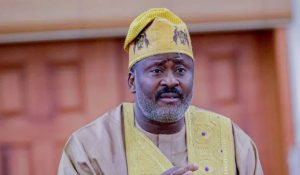
“I’D SACK ANY APPOINTEE WORKING AGAINST ME” – EX-NOA CHIEF IDI FAROUK
Former Director-General of the National Orientation Agency, Alhaji Idi Farouk, has delivered a blistering warning that has sent shockwaves across Nigeria’s political landscape. Speaking on Trust TV, Farouk issued a hardline message to political heavyweights in Rivers State, directly targeting the ongoing feud between FCT Minister Nyesom Wike and Governor Siminalayi Fubara.
“If I were President and I discovered any appointee working against my political progress or the agenda I was elected to deliver, I would sack him immediately,” Farouk said, leaving no room for ambiguity. He framed disloyalty as a governance killer—paralysing administrations, confusing the electorate, and undermining policy delivery. “You cannot allow people to stay in your government while pursuing their own personal agenda. That brings confusion, division, and makes the whole system look weak,” he added.
The timing is striking. Rivers is engulfed in a constitutional and political quagmire: parallel House of Assembly sittings, clashing court orders, impeachment threats, and outright refusals from Wike’s loyalists to engage with PANDEF’s reconciliation efforts. Farouk’s remarks are widely interpreted as a warning to both sides—especially Wike, accused of destabilising Fubara’s administration via federal influence, and Fubara, who critics say has struggled to assert control over his appointees.
The interview has gone viral under hashtags such as #WikeVsFubara, #RiversCrisis, and #SackDisloyalAppointees, sparking debate across social media. Many praise Farouk’s unflinching clarity on loyalty and accountability, while others view it as a strategic nudge favoring one camp.
With 2027 looming and Rivers remaining a pivotal state, Farouk’s statement underscores a harsh reality: in Nigerian politics, loyalty is demanded, but performance and control are non-negotiable. The pressing question now is whether Wike or Fubara will heed the warning—or let the simmering cold war continue to threaten governance in one of the nation’s most politically strategic states.
Nigeria is watching, and so is history.